
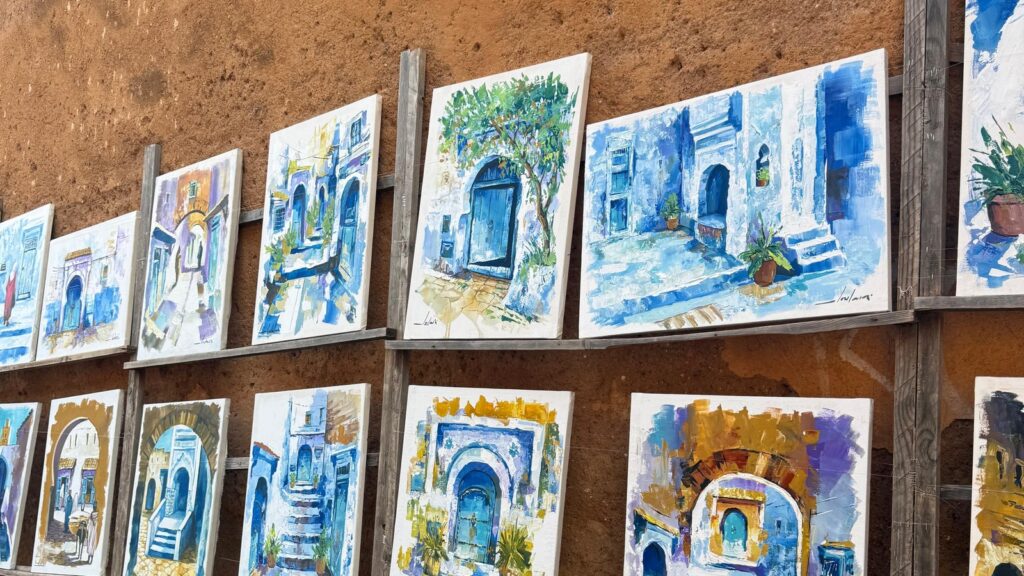
Most itineraries treat Essaouira as a day trip from Marrakech. Three hours there, a few hours on the ramparts, three hours back. It works on paper. In practice you spend the best part of the day in a car and leave just as the light turns gold over the harbour.
I plan it the other way round. Here is how an Essaouira Marrakech tour looks when the coast is the destination and not an errand.
Start in the mountains, not the city
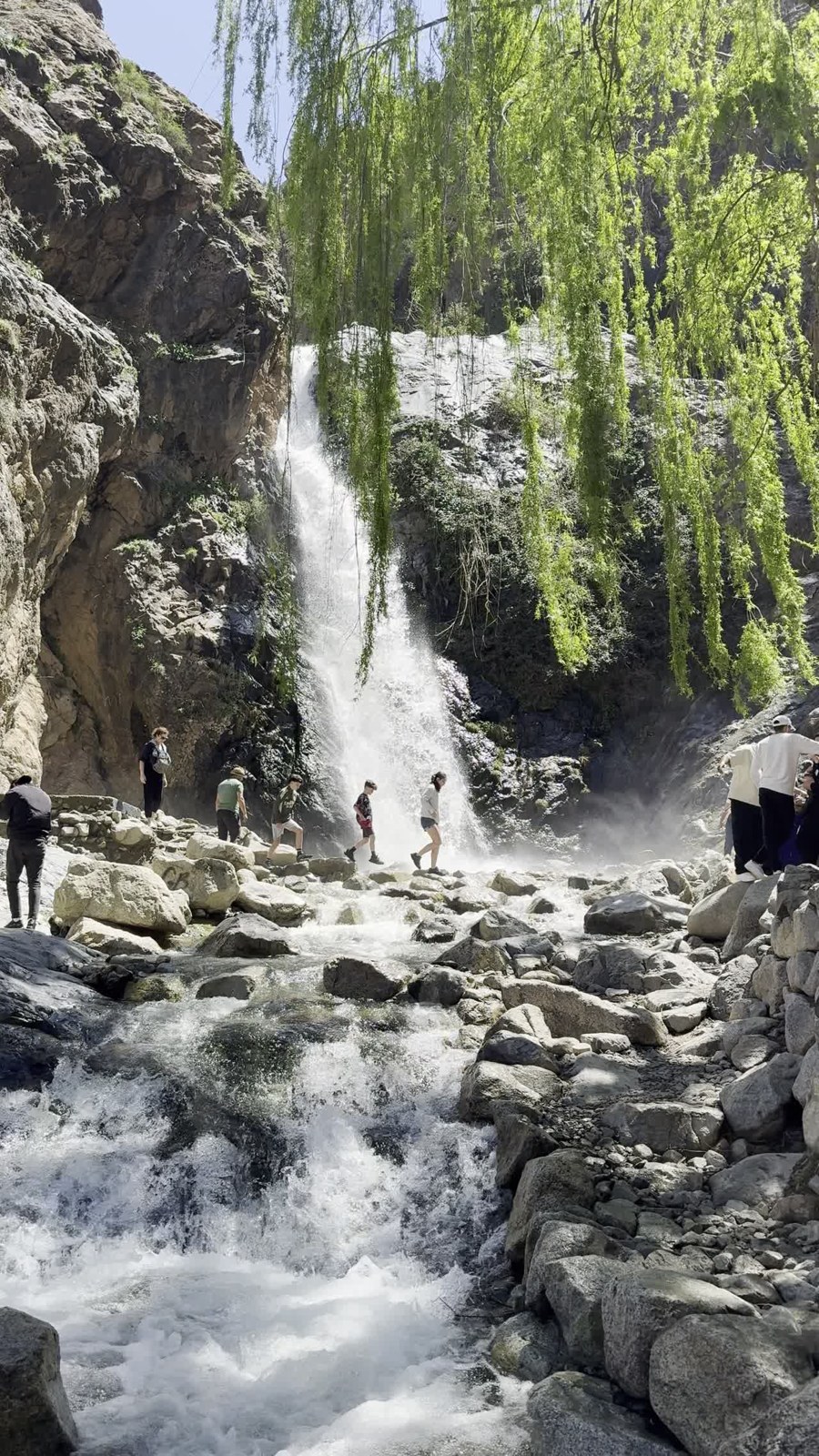
The Imlil valley is about an hour and a quarter from Marrakech, and it feels like another country. Walnut and apple orchards, terraces still worked by hand, Amazigh villages linked by footpaths, and Toubkal, the highest peak in North Africa, standing over all of it.
We start here on purpose. After a long flight, a quiet valley is kinder than Jemaa el-Fnaa on your first night. The first day is for doing very little. The second you spend walking from village to village with a local guide, nothing forced, and somewhere along the way someone will invite you in for tea. Ask them about the walnut harvest or how the village shares water in a dry year. You will get a real answer.
Marrakech, with the noise turned up for a reason
Coming down from the mountains changes how the medina hits you. The souks near the spice square still feel loud and slightly overwhelming, but you arrive rested, and that makes a difference.
A few things I always tell guests. Do the Bahia Palace in the morning, before the tour buses. Go to Jemaa el-Fnaa as the light starts to go, and eat the grilled skewers and harira from the stalls rather than the tagines aimed at tourists. And keep one full day empty. A hammam, a cooking class, a balloon ride over the Palmeraie at dawn, or nothing at all. It is the day guests thank me for most.
Essaouira, two nights, no rush
The drive west takes about three hours. The countryside flattens and gets windier, and you smell the Atlantic before you see it. Then the whitewashed walls and blue shutters of the medina appear, a UNESCO-listed town that is smaller and calmer than Marrakech, with fishing boats crowded into the harbour below the ramparts.
The first evening is for the port. Grilled sardines and whatever came in that day, eaten at a small stall beside the boats. The second day is built for doing less: the thuya wood workshops, a women’s argan cooperative outside town, a horse ride on the long beach south of the medina, or a coffee on the square while the town goes by. Bring a warm layer. The same wind that makes Essaouira a kitesurfing spot by day makes the evenings cool.
What the pace gives you
Eight days, three bases, and the longest drive is about three hours. You unpack three times, not seven. That is the whole idea: more time on the ground, less time in the back seat, and room to change your mind about a day without breaking the rest of the trip.
Who this suits, and who it does not
It suits couples, families, first-time visitors and anyone who wants culture and real downtime in the same week. It does not suit someone who wants to see all of Morocco in eight days. There is no Fes here and no desert. If the Sahara is the dream, the Sahara Desert Tour is built for that, and The Grand Morocco Journey covers it all in sixteen days.
Make it yours
The Coastal Escape is a starting point, not a fixed package. We can swap the Imlil valley for a different mountain base, add a night in Essaouira, or fold in a cooking class. Tell me your dates and what you like to do, and I will draft the itinerary for free, with as many revisions as it takes to get it right. Start from the contact page or send me a WhatsApp message.